
Data center emissions now shape how fast operators can grow while AI demand explodes. Power grids strain, communities worry about noise and water use, and regulators tighten rules across Europe. For investors, that mix creates both risk and rare upside.
The future of Data Centers and technologies in Europe revolves around one question: how to cool dense GPU clusters without wasting power or water. Liquid cooling is moving from engineering niche to core infrastructure choice, especially in markets that want both rapid AI growth and climate progress.
This article shows why emissions rise so fast, how liquid cooling works, which European countries matter most, and where capital can make a difference. It also explains how Monaco Business Angels connects investors and founders to verified deals in this field.
Ready to see where data, climate, and capital meet next in Europe? Keep reading to map out the opportunity.
Key Takeaways
European data center electricity demand grows quickly as AI, cloud, and gaming expand. Regulators respond with stricter efficiency rules, so emissions now sit at the center of the future of Data Centers and technologies for investors and operators.
Liquid cooling shifts from niche option to mainstream requirement for GPU-heavy sites. It handles higher heat loads than air systems can manage and can cut both energy waste and water use when designed well.
Germany, France, and Spain remain core hubs with mature infrastructure. Poland, Romania, Hungary, Italy, Greece, and Portugal offer earlier entry points. Together they define the geographic map for the future of Data Centers and technologies in Europe.
Monaco Business Angels offers KYC-verified, climate-tech-focused deal flow. It connects HNWIs and institutions with liquid cooling and sustainable infrastructure ventures. Co-investment structures start from €10K for qualified investors.
Table of Contents
- Why Are Data Center Emissions Becoming Europe’s Fastest-Growing Infrastructure Problem?
- How Liquid Cooling Technology Is Reshaping the Future of Data Centers
- Which European Markets Offer the Most Compelling Data Center Investment Opportunities?
- How Monaco Business Angels Connects Investors With the Future of Sustainable Data Center Technology
- The Bottom Line on Europe’s Data Center Future
- Frequently Asked Questions
Why Are Data Center Emissions Becoming Europe’s Fastest-Growing Infrastructure Problem?
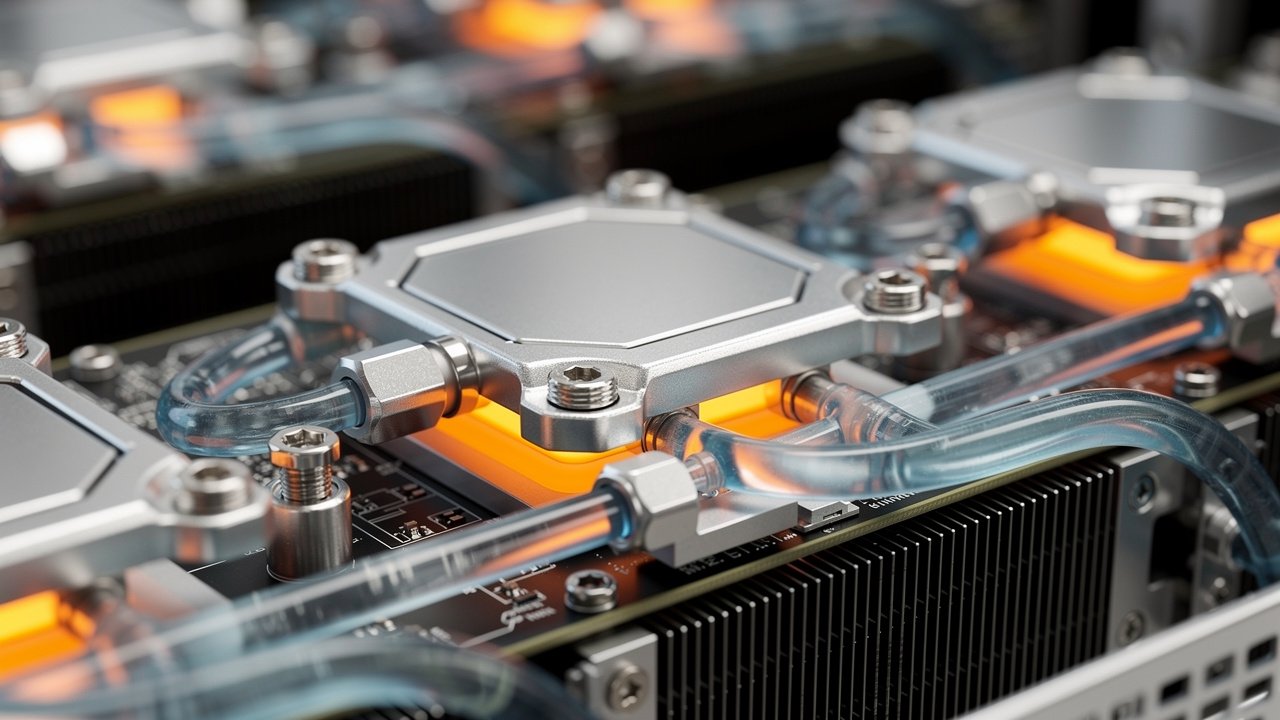
European data center emissions are rising faster than many other infrastructure categories because AI, cloud, and digital public services keep expanding. This growth pushes grids, water systems, and regulators to react at the same time. For investors, energy and cooling now sit at the core of the future of Data Centers and technologies, not on the sidelines.
Global numbers show the scale. According to McKinsey, companies worldwide may invest about 7 trillion dollars in data center infrastructure by 2030, with demand for capacity expected to more than triple. Research from Lawrence Berkeley National Laboratory finds data centers already use around 4.4 percent of U.S. electricity, with demand likely to rise further this decade, a trend reinforced by the 2024 Global Data Center Survey from the Uptime Institute. Europe follows a similar pattern as AI and cloud regions grow across Germany, France, Spain, and beyond.
AI workloads sit at the center of this jump. Large language models, recommendation engines, and real-time analytics run on GPU clusters that draw far more power per rack than older CPU-based servers. Hyperscalers such as Amazon Web Services, Microsoft Azure, and Google Cloud keep adding these clusters to serve enterprises, gaming platforms, and public agencies.
Traditional air cooling struggles with this load. High-density racks can exceed safe temperatures even in well-designed halls, forcing operators to oversize chillers and fans. That extra capacity burns electricity and often depends on evaporative cooling that consumes large volumes of water. WestWater Research expects U.S. data center water use to rise by about 170 percent by 2030, a warning sign for drought-prone regions worldwide.
European policy sharpens the pressure. The EU Green Deal and the Energy Efficiency Directive push operators to improve Power Usage Effectiveness (PUE) and publish energy and water data. Countries such as Germany, France, Spain, and Italy already build these goals into planning rules. In this setting, the future of Data Centers and technologies in Europe belongs to sites that deliver high compute density with lower carbon and water footprints.
As the European Commission often stresses, cutting energy waste is just as important as adding new renewable capacity.
How Liquid Cooling Technology Is Reshaping the Future of Data Centers
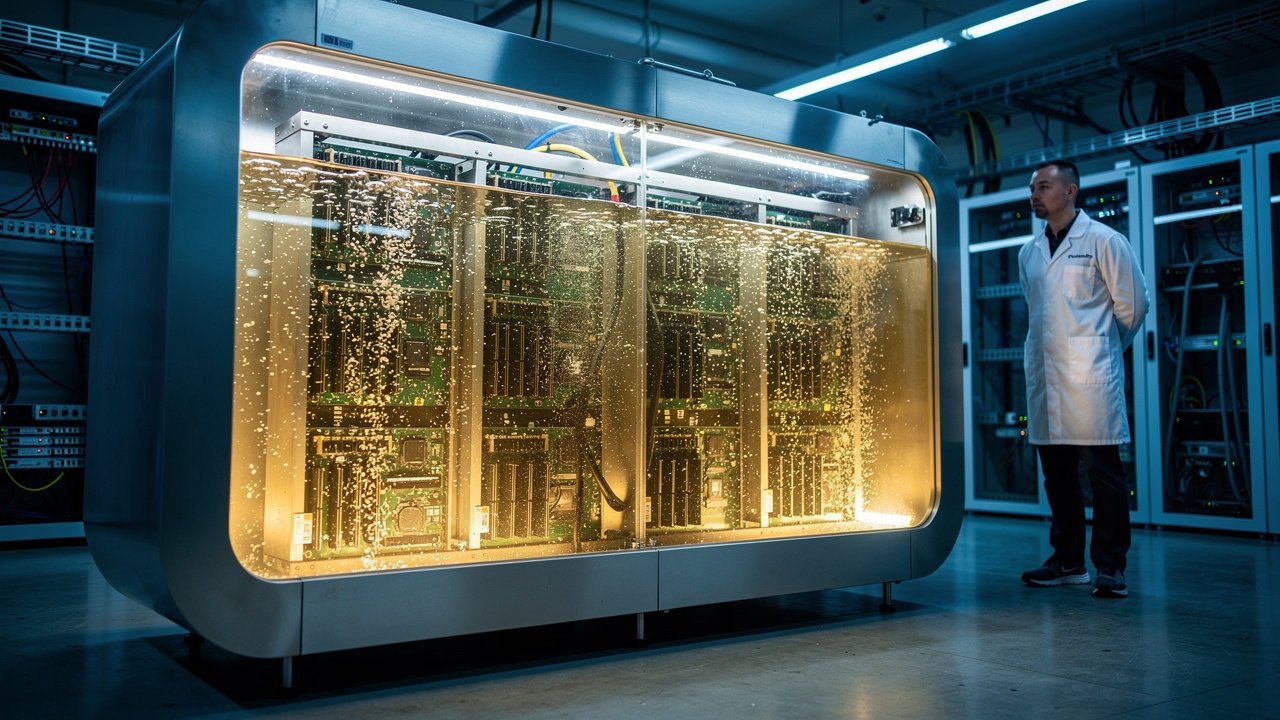
Liquid cooling is reshaping the future of Data Centers and technologies because it removes heat far more effectively than air while using less energy. Coolant flows directly to the heat source instead of relying on huge volumes of chilled air in server halls. That shift lets operators stack GPUs densely, cut fan power, and often reduce water use.
Three main families of liquid cooling now stand out:
Direct liquid cooling (DLC): Coolant flows through cold plates mounted on CPUs and GPUs, pulling heat away at the chip level.
Immersion cooling: Entire servers sit in nonconductive fluids that absorb and move heat very efficiently.
Rear-door heat exchangers: Liquid coils on the back of racks capture exhaust heat before it enters the room.
Each method suits different retrofit and greenfield scenarios across Europe.
For AI-heavy workloads, these methods are no longer optional extras. According to TierPoint, nearly half of IT leaders plan hybrid architectures that mix on-premises and cloud resources, with many expecting higher rack densities. At extreme densities, air-only designs hit physical limits and suffer thermal hotspots, throttled performance, and hardware failures. Liquid systems keep temperatures stable even as Nvidia H100 or H800 based clusters push power draw per rack far above old norms.
Sustainability gains add another layer. Cooling often accounts for a large share of non-IT energy use in data centers. By bringing coolant close to the chips, operators can cut fan energy and raise chiller setpoints, which reduces overall electricity needs. Immersion and closed-loop systems can also reduce direct water consumption compared with open evaporative towers.
Regulation in Europe points the same way. The European Commission, through the Energy Efficiency Directive and related rules, now asks larger facilities to report energy and water performance and supports best practices for low-PUE designs. For operators in Germany, France, Spain, Italy, Portugal, and Greece, liquid cooling often offers the most practical route to reach upcoming PUE and emissions targets.
For investors focused on the future of Data Centers and technologies, liquid cooling stands out as an enabling layer. It links AI growth, grid constraints, and climate policy in one technology stack, from component makers to full data center operators.
Which European Markets Offer the Most Compelling Data Center Investment Opportunities?
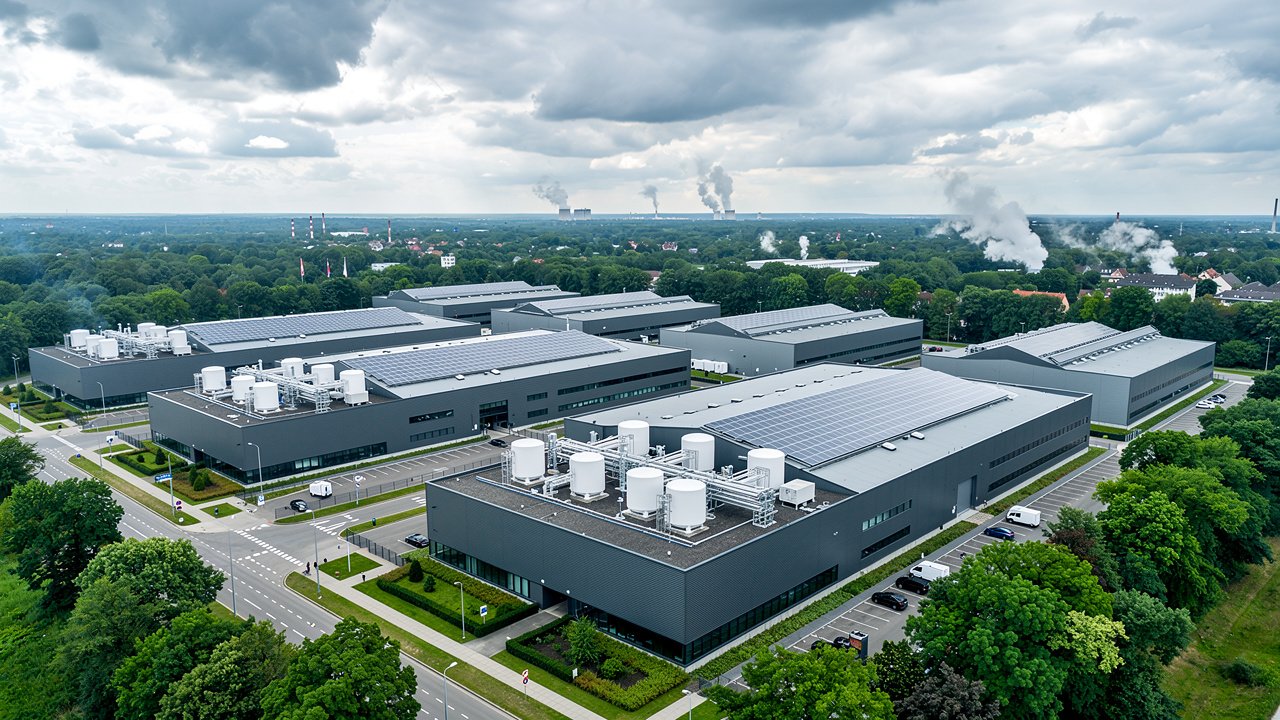
The European map for the future of Data Centers and technologies splits between mature hubs and fast-moving emerging markets. Mature hubs bring proven demand and clear rules, while newer markets offer earlier entry points and lower costs. Together they form a connected opportunity set for investors who want both stability and growth.
Germany, France, and Spain anchor the established side. These countries already host major cloud regions from Amazon Web Services, Microsoft Azure, and Google Cloud. They combine strong fiber networks, clear permitting paths, and active national support for AI and cloud adoption. That mix makes them prime locations for liquid cooling retrofits, new high-density colocation sites, and related service providers.
At the same time, land scarcity and grid limits begin to bite in Western hubs. According to CBRE, vacancy rates in primary data center markets recently fell to about 1.9 percent, with new supply often pre-leased before completion. That tightness pushes operators and investors to look at secondary and emerging European markets where land, power, and water remain more accessible.
Poland, Romania, and Hungary stand out in Central and Eastern Europe. Italy, Greece, and Portugal add further potential on the southern flank. These countries benefit from EU digital funding, growing enterprise demand, and improving grid connections. They also start from a lower base of installed capacity, which opens space for greenfield projects built around liquid cooling from day one.
Established Hubs vs. Emerging Markets Where the Real Opportunity Lies
Established hubs and emerging markets both matter for the future of Data Centers and technologies, but in different ways. Established hubs offer near-term deployment of liquid cooling into existing campuses. Emerging markets offer earlier-stage entries where investors can help shape standards and partnerships.
A simple comparison helps frame the choice.
| Market Type | Example Countries | Data Center Stage | Regulation and Policy Focus | Energy Cost Trend | EU Funding and Incentives | Liquid Cooling Readiness |
|---|---|---|---|---|---|---|
| Established hubs | Germany, France, Spain | Mature, high-density | Clear rules, strong climate targets | Higher, with grid pressure | Strong national aid plus EU Green Deal programs | Strong retrofit demand, pilots already running |
| Emerging markets | Poland, Romania, Hungary, Italy, Greece, Portugal | Early to mid growth | Evolving rules, catching up with EU aims | Often lower, more headroom | Significant digitalization and cohesion funding | Chance to build liquid-focused sites from the start |
Emerging markets bring higher upside but call for deeper local knowledge, especially around permitting, grid upgrades, and partner quality. That is where a curated, KYC-verified network such as Monaco Business Angels can reduce noise and connect investors with founders who understand both technology and local rules.
“Early conversations with grid operators and city planners often save months at the construction stage.” — Monaco Business Angels Investment Committee
How Monaco Business Angels Connects Investors With the Future of Sustainable Data Center Technology

Monaco Business Angels connects investors with sustainable data center and liquid cooling projects through a KYC-verified, expert-led network across Europe. The group treats the future of Data Centers and technologies as a core theme, linking AI demand, infrastructure, and climate goals. Its role is to filter deals, structure co-investments, and support founders through growth.
At the deal-flow level, Monaco Business Angels sources early and growth-stage companies working on liquid cooling hardware, monitoring software, and energy-efficient data center designs. Every opportunity passes through legal checks and technical review before reaching investors, which helps protect both sides from regulatory or technical surprises. This vetting is especially valuable in sectors like climate tech and deep tech where claims can be hard to verify.
Geographically, the network spans established hubs and emerging markets. Monaco Business Angels reviews projects tied to hyperscale campuses in Germany, France, and Spain, along with greenfield builds in Poland, Romania, Hungary, Italy, Greece, and Portugal. That spread gives investors exposure to retrofit plays and new sites that use liquid cooling from the foundation stage.
Capital structures match the needs of high-net-worth investors and family offices. Co-investment entries often start from around €10K, allowing investors to build diversified exposure across several data center and climate-tech deals rather than focus on a single project. Institutional partners can join larger rounds where data center operators, hardware vendors, or energy providers raise growth capital.
Founders gain more than funds. Monaco Business Angels offers mentorship from sector specialists in AI, gaming, real estate, and environmental projects. That cross-sector view helps teams position liquid cooling and sustainable infrastructure products for real-world buyers, from cloud platforms to industrial clients. For investors who see the future of Data Centers and technologies as a long-term theme, this mix of verification, structure, and support provides a practical entry point.
The Bottom Line on Europe’s Data Center Future
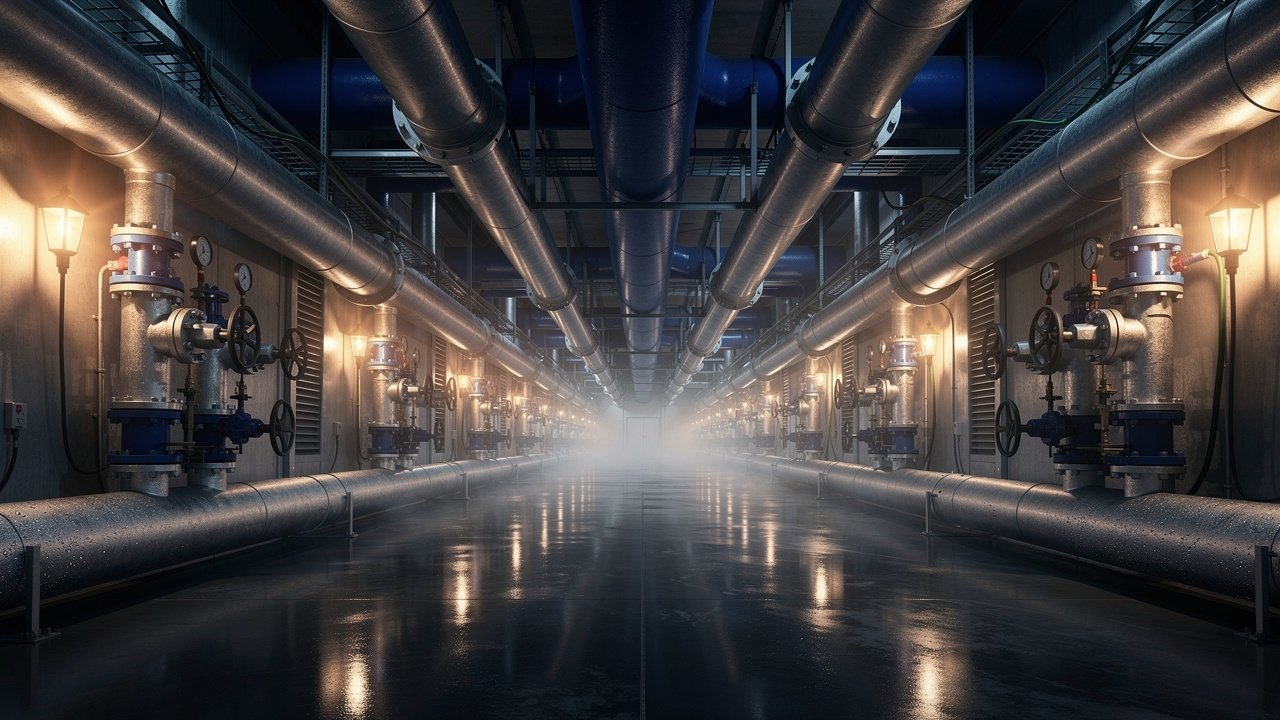
Europe’s data center path now runs through emissions cuts, grid limits, and liquid cooling adoption at scale. Air-only halls cannot support GPU-heavy AI growth while staying inside tightening climate rules. Operators that move early on liquid cooling and smart energy planning will set the pace.
For investors, established hubs such as Germany, France, and Spain offer near-term liquid retrofit plays, while Poland, Romania, Hungary, Italy, Greece, and Portugal present earlier-stage growth. Together, they outline how the future of Data Centers and technologies develops across the continent.
Monaco Business Angels stands ready to connect qualified investors and founders with verified, KYC-compliant opportunities in this space. For those who want aligned climate impact and long-term infrastructure exposure, now is the time to look closely at sustainable data center technology in Europe.
Frequently Asked Questions
Question: What is liquid cooling technology and why is it important for data centers?
Answer: Liquid cooling uses fluids to remove heat from servers through direct liquid plates, immersion tanks, or rear-door exchangers. It matters because GPU-heavy AI workloads create more heat than air systems can handle efficiently. By moving heat more effectively, liquid systems lower energy use, cut emissions, and protect hardware.
Question: Which European countries are leading in sustainable data center development?
Answer: Germany, France, and Spain lead with large cloud regions, firm climate policy, and active efficiency programs. Poland, Romania, and Hungary grow quickly thanks to EU digitalization funding and improving grids. Across the continent, Green Deal targets push operators to adopt cleaner power and more efficient cooling.
Question: How are EU regulations driving liquid cooling adoption in European data centers?
Answer: EU rules such as the Energy Efficiency Directive and the Green Deal ask large data centers to improve PUE and report energy and water data. These demands make status-quo air cooling harder to justify for dense racks. Liquid systems help operators meet efficiency and carbon goals.
Question: What is the investment opportunity in European liquid cooling and data center infrastructure?
Answer: The opportunity comes from the mix of AI-driven demand, rising energy prices, and limited low-emission infrastructure. Established hubs favor retrofits and high-density colocation; emerging markets favor greenfield builds with liquid systems from day one. Co-investment structures and curated deal flow help investors reach these projects efficiently.
Question: How can angel investors access verified data center and liquid cooling investment opportunities in Europe?
Answer: Angel investors can join KYC-compliant networks that pre-vet founders, technology, and legal structures. Monaco Business Angels offers such a framework with entries from around €10K and syndicate options. Through this approach, investors gain access to screened data center and liquid cooling deals across multiple European markets.