
Introduction
Commercial property in Monaco and the French Riviera, the St. Tropez villa market, boutique hotels in major cities, and wider hospitality assets sit at the top of many investor wish lists. Yet real rental numbers, hotel turnovers, and entry routes often stay hidden behind private networks. That gap between interest and verified data creates hesitation, even for experienced capital.
Off‑market deal habits, scarce inventory, and complex local rules add more friction. Many high‑net‑worth buyers see trophy assets on the waterfront but never get to real numbers or realistic yields. Others worry that they will overpay or misjudge seasonal cash flow on what is meant to be both a second home and a revenue‑producing asset.
This guide explains how the Monaco and Riviera markets work as income‑producing commercial property, second homes, or landmark holdings. You will see villa valuations and rental math in St. Tropez, boutique hotel revenue patterns in Monaco, Nice, and Cannes, and why scarcity keeps prices firm. You will also see how Monaco Business Angels opens verified, KYC‑checked access to this market.
Taken together, these points give a clear base for your next allocation move along the Côte d’Azur, whether you seek yield, a trophy presence, or both.
Key Takeaways
Key takeaways from this analysis give a quick compass for allocation decisions. Each point connects market structure with real income patterns and the role of Monaco Business Angels. Use them as a checklist when you compare Riviera opportunities with other alternative assets.
Monaco commercial property benefits from extreme scarcity, near zero vacancy, and a client base of banks, luxury brands, and family offices. Recent research from Knight Frank shows prime residential values above €50,000 per square meter, with central commercial stock even tighter. For investors, that combination supports capital preservation with steady, lower‑volatility cash flow.
St. Tropez trophy villas range from roughly €2.9 million to over €26 million, with peak‑season weekly rents often between €50,000 and €200,000. Well‑run assets can book 8 to 12 premium weeks per year, especially near Pampelonne and the port. That short season still drives meaningful gross yield on top of long‑term prestige value. Accordingly to French Riviera Luxury Villas
Boutique hotels across Nice, Cannes, and Monaco often record higher revenue per available room (RevPAR) than many chain properties nearby. During events such as the Cannes Film Festival and the Monaco Grand Prix, independent hotels can more than double average daily rates according to STR. Design, service level, and location close to the action all feed that performance.
Off‑market deal flow remains the main edge for serious investors on the Riviera. A large part of the best commercial buildings, villas, and small hotels never reach public portals, as sellers favor quiet processes through trusted advisors. Without a local network, even well‑funded buyers may only see second‑tier stock.
Monaco Business Angels offers a structured way into these hidden pipelines with co‑investment tickets from €10,000. The platform runs full KYC on both investors and founders, which reduces counterparty risk in high‑value property transactions. Members gain exposure to commercial units in Monaco, St. Tropez villas, and boutique hospitality projects that have already passed first‑line review.
Why Monaco And The French Riviera Remain The World’s Most Resilient Commercial Property Markets
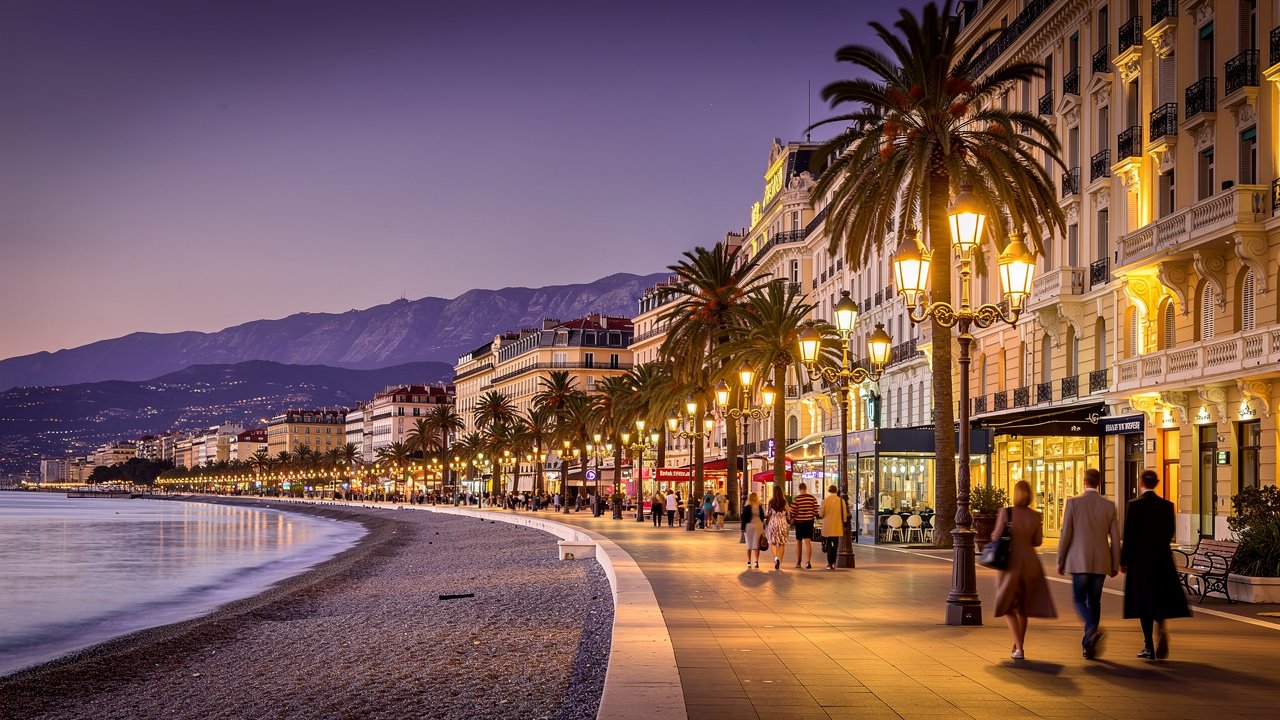
Monaco and the French Riviera remain resilient commercial property markets because scarcity, tourism volume, and capital density push demand far above supply. This mix supports price stability for offices, retail, villas, and hospitality assets even when other regions soften.
France holds first place for international arrivals, drawing around 80 million visitors per year according to UNWTO. Many of those travelers pass through Nice, Cannes, St. Tropez, and nearby coastal towns, feeding hotels, restaurants, marinas, and retail galleries. The travel and tourism sector adds close to 8 percent of French GDP, based on data from the World Travel & Tourism Council. That steady visitor base underpins room rates, food and beverage spend, and luxury retail turnover, as outlined in broader analyses of World Tourism: Facts and figures that track Mediterranean coastal destinations.
Across the Riviera, long‑run resilience rests on structural tourism demand, severe land scarcity close to the sea, and concentrated wealth supported by favorable rules.
Monaco sits on roughly two square kilometers with almost no land left to build on, while demand from private banks, luxury brands, and service firms keeps climbing. Studies from Savills describe the Principality as one of the tightest office markets in Europe, with very low vacancy and long waiting lists for prime retail. Combined with a no‑income‑tax regime for residents and strong legal protections, these points make Monaco commercial units a defensive part of a high‑net‑worth portfolio. Owners accept modest running yields in exchange for near‑certain occupancy and strong resale prospects.
Along the wider Riviera, strict coastal zoning and heritage rules restrict large‑scale new building. That protects existing stock in Cannes, Nice, Cap Ferrat, and St. Tropez and supports real rental pricing power. For investors, the region offers a rare mix of current income, currency diversification, and tangible assets backed by decades of proven global demand.
What Are The Financial Returns In The St. Tropez Villa Market And French Riviera Hospitality Sector?
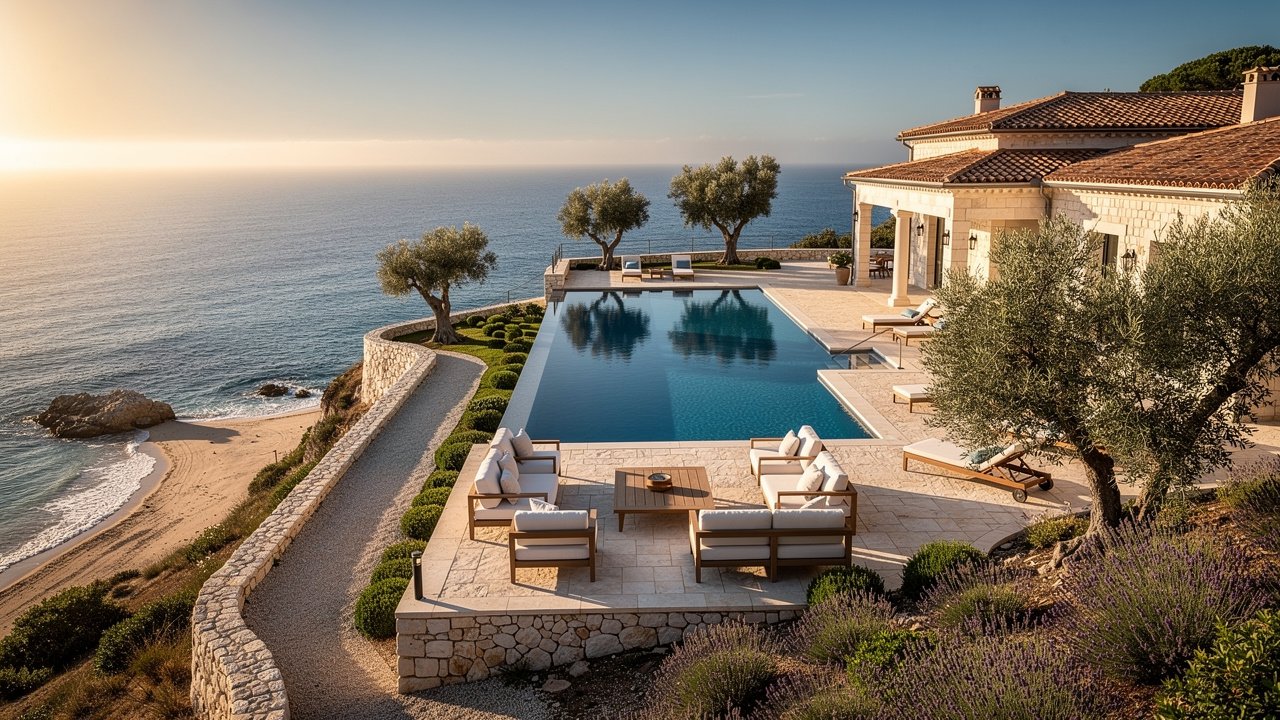
Financial returns in the St. Tropez villa market and wider Riviera hospitality sector come from high seasonal pricing plus long‑run value resilience. Investors combine rental income from short prime seasons with multi‑year appreciation backed by affluent global demand, accordingly to French Riviera Luxury Villas.
At the top end, St. Tropez estates in areas such as Ramatuelle, Gassin, and near Pampelonne can ask more than €26 million. Entry‑level luxury villas often start around €2.9 million, with many quality assets trading between €5 million and €10 million. These homes often offer 5 to 8 bedrooms and generous outdoor space, which matters for rental positioning. Owners in the mid to upper tiers may target 8 to 12 rented weeks at €50,000 to €120,000 per week, depending on view, finish, and service level.
Simple math shows why yield remains attractive, and research on the impact of housing prices on inflation in tourist-driven economies confirms that prime coastal assets consistently outpace broader market trends. A €10 million villa that secures 10 weeks at €80,000 brings in €800,000 gross. After staffing, concierge support, marketing, and maintenance, net income might stand near 3 to 4 percent of asset value in a normal year. That sits alongside potential capital gains in a supply‑constrained, brand‑name location. Research from Knight Frank and French Riviera Luxury Villas shows that prime Riviera prices have trended upward over recent cycles, even through wider volatility.
Key villa rental costs include staffing and services, upkeep, marketing and distribution, plus local tax and insurance.
Boutique hotels in Nice and Cannes tell a slightly different story. According to Statista, summer hotel occupancy on the Côte d’Azur often reaches around 80 percent, with strong room rates. Independent, well-located hotels can lift revenue per available room during Cannes Film Festival, Monaco Grand Prix, or major congresses by adjusting pricing to event demand, a pattern reinforced by studies on Artificial Intelligence and Sustainable practices in coastal marina destinations such as Monaco and Ibiza. Some properties combine hotel rooms with serviced apartments or villa‑style suites, building flexible income streams across leisure and corporate guests.
Monaco hospitality runs on a shorter list of assets but a very wealthy client base. Boutique hotels and apart‑hotel formats near the Casino and port benefit from frequent events, yachting traffic, and corporate stays. For investors, returns here tilt toward stable cash flow and strong room rates throughout the year.
Key City And Asset Benchmarks At A Glance
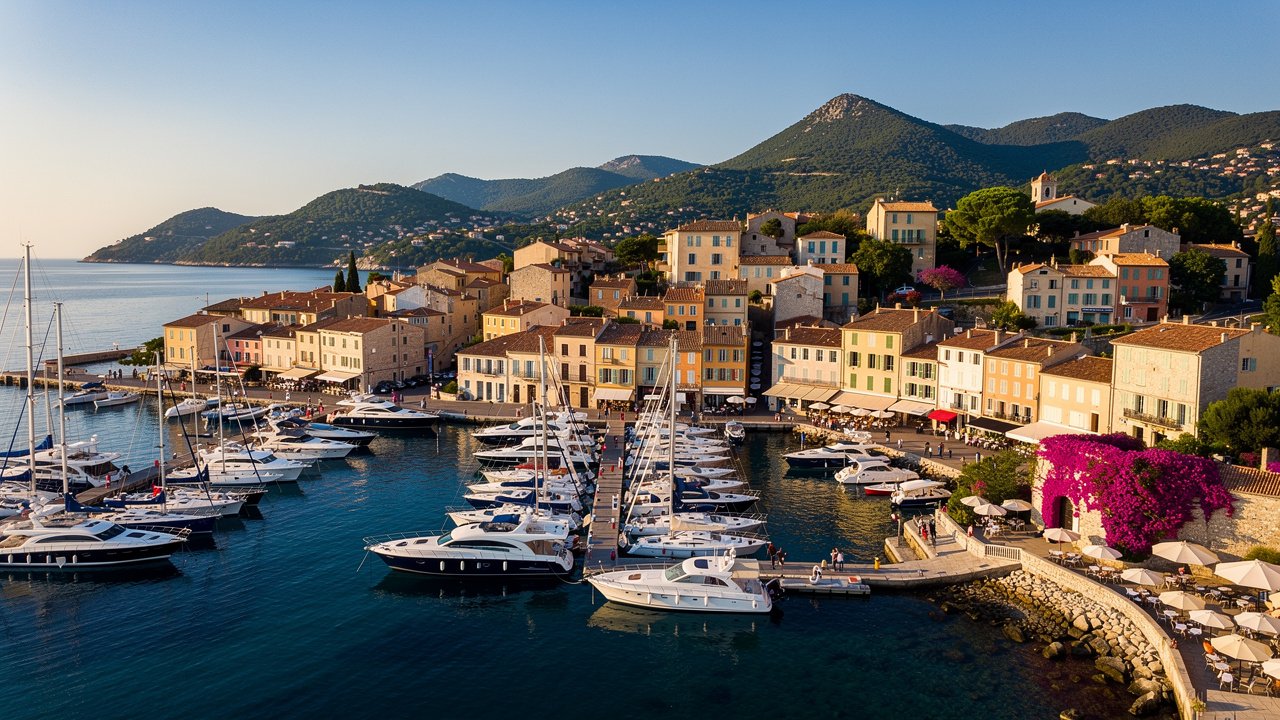
Key city and asset benchmarks help investors compare entry tickets and income patterns at a high level. The table below gives guide ranges rather than fixed promises and should always sit alongside detailed local due diligence.
| City | Asset Type | Entry Valuation (Guide) | Peak Income Indicator | Main Investment Driver |
|---|---|---|---|---|
| Monaco | Prime retail or office in Carré d’Or | €5M+ for small units | Net yield around low single digits per year | Hyper scarcity, no income tax, safe haven status |
| St. Tropez | Luxury villa near Pampelonne | €5M to €26M+ | Weekly rent often €50K to €200K in high season | Global brand cachet and limited waterfront supply |
| Nice | Design‑led boutique hotel | From about €3M to €10M | RevPAR spikes in summer and Carnival | Large tourist base and international airport hub |
| Cannes | Boutique hotel or villa hybrid | Roughly €4M to €15M | Rates and RevPAR surge during film festival | Event‑driven demand and strong conference calendar |
Boutique Hotels Vs Trophy Villas Which Asset Class Delivers Superior ROI On The French Riviera?

Boutique hotels and trophy villas on the French Riviera deliver different shapes of return, even when both sit at the top of the luxury market. The better choice depends on whether an investor prioritizes steady cash flow, personal use, or long‑term prestige value.
Trophy villas in St. Tropez, Cap Ferrat, and similar enclaves behave like scarce art pieces that also produce income, a supply-demand tension well documented in research on the Touristification and Expansion of short-term rentals across Mediterranean coastal destinations. Owners may only secure 8 to 12 rental weeks, yet those weeks can generate a large share of annual return when nightly rates reach €7,000 to €30,000. Many buyers split the calendar between personal use and rentals, which makes the villa feel like both a second home and a working asset. When combined with strong security, sea views, and mature gardens, these homes tend to keep value across cycles.
Adding high‑level hospitality services is now central to villa performance. Experienced operators in the Gulf of St. Tropez design full packages that include private chefs, drivers, yacht charters, fitness trainers, and close protection where needed. This service layer lets owners justify higher weekly prices and attract repeat clients who pay for comfort and discretion. Research cited by CBRE notes that experience‑driven offerings can lift room or villa revenue in prime leisure markets compared with basic stays.
Tip For Villa Investors: Treat a St. Tropez or Cap Ferrat property as both an income asset and a brand statement; guests pay for privacy and service as much as space.
Boutique hotels in Monaco, Cannes, Nice, and inland villages such as Eygalieres or Cotignac rely more on year‑round occupancy than on headline weekly rates. They need professional management, full‑time staff, and careful control of distribution costs. Yet they can smooth cash flow through corporate contracts, shoulder‑season tourism, and themed weekends.
Smaller assets in Correns, Puget, or Lourmarin, often valued between about €795,000 and €2.1 million, give angel syndicates a more accessible ticket with potential upside from renovation and repositioning. Here, returns often come from improving operations: upgrading rooms, refining pricing strategy, and increasing direct bookings to protect margins.
For many high‑net‑worth investors, the most effective approach is a mix:
One or two trophy villas in top‑tier locations as long‑term heritage assets and occasional personal retreats.
Selected boutique hotels or gite complexes that supply regular income and more flexible exit options.
This barbell structure spreads risk across both lifestyle property and pure operating businesses.
How Monaco Business Angels Provides Verified Deal Flow In Commercial Property, Villas, And Boutique Hospitality

Monaco Business Angels provides verified deal flow in commercial property, villas, and boutique hospitality by matching global capital with carefully checked Riviera opportunities. The platform focuses on Monaco commercial units, St. Tropez villas, and French Riviera hotels where strong fundamentals already exist.
The first challenge for outside investors is simple access. Many premium offices in Monaco, villas above St. Tropez, or small hotels in Mandelieu La Napoule and Eygalieres change hands through private introductions. By the time a property appears on a public portal, family offices and local buyers may have passed or already locked terms — a structural dynamic reflected in research on Rental Contract Liberalisation in the Netherlands, which demonstrates how regulatory and access changes reshape investor behavior across European property markets. Monaco Business Angels counters this pattern through a closed member base and deep relationships with regional brokers, developers, and operators.
Every investor and founder on the platform passes KYC and legal review before viewing specific opportunities. This structure reduces the risk of wasting time on parties who lack either funds or a solid track record. It also reassures sellers who demand discretion that only serious, screened buyers will view their assets. Monaco Business Angels, unlike generalist platforms such as AngelList, Seedrs, or Crowdcube, concentrates on one geographic area that it knows well.
For investors, co‑investment structures starting at €10,000 open doors into larger projects, such as a multi‑key boutique hotel or a high‑value villa development. Deals often use special purpose vehicles so that each project sits cleanly in legal and tax terms. For founders and operators, the platform offers more than capital, including mentorship on positioning, revenue management, and technology adoption relevant to hospitality.
Members typically join the community, pass KYC and legal checks, review deal memos, and commit capital via SPVs alongside investors.
By bringing together verified people, filtered projects, and on‑the‑ground knowledge, Monaco Business Angels helps turn Riviera real estate from a closed club into a disciplined alternative asset class.
Locking In The Riviera Advantage Your Next Move As A Sophisticated Investor
Locking in a Riviera advantage means combining scarcity, yield, and heritage value into one clear allocation plan. Monaco, St. Tropez, Nice, and Cannes keep providing that mix through limited supply, global tourism, and high spending power.
For many high‑net‑worth investors, the next step is not finding yet another villa listing but gaining trusted access to properly reviewed opportunities. Monaco Business Angels offers that entry point, with KYC‑checked members, structured co‑investment from €10,000, and a focus on commercial property and hospitality across the Côte d’Azur. A conversation with the team can help align your risk profile with specific villas, boutique hotels, or Monaco commercial units that fit a long‑term strategy across income‑producing assets and visible trophy holdings.
Frequently Asked Questions
Question: What is the average rental yield for a luxury villa in St. Tropez?
A well‑positioned luxury villa in St. Tropez can often generate a gross yield of roughly 3 to 6 percent per year from rentals. Premium properties near Pampelonne may secure weekly rates of €50,000 to €200,000 in summer. Actual net yield depends on occupancy, staffing, and management costs.
Question: Is commercial property in Monaco a good investment in 2025?
Commercial property in Monaco remains attractive in 2025 for investors who value capital safety and reliable tenants. The Principality combines hyper‑scarce inventory, near zero vacancy, and a no‑income‑tax regime for residents. Entry prices are high, yet owners usually gain strong preservation of capital and stable cash flow.
Question: How do boutique hotels in Cannes and Nice compare to Monaco for investment returns?
Boutique hotels in Cannes and Nice often deliver stronger seasonal spikes in RevPAR during events than Monaco assets. Cannes Film Festival and Nice Carnival drive sharp rate lifts and high occupancy. Monaco hotels, by contrast, tend to show steadier year‑round demand from finance and yachting clients.
Question: What is the minimum investment to access Riviera real estate deals through Monaco Business Angels?
The minimum investment to access Riviera real estate deals through Monaco Business Angels is typically €10,000 per project. Investors join co‑investment structures or special purpose vehicles that group capital for larger assets. Every participant and founder passes KYC checks, which supports safer, better aligned transactions.
Question: How are off‑market luxury property deals in Monaco and St. Tropez accessed?
Off‑market luxury property deals in Monaco and St. Tropez usually move through private networks of brokers, lawyers, asset managers, and existing owners. Many sellers avoid public advertising. By joining the verified Monaco Business Angels community, investors gain structured access to these channels and see pre‑vetted opportunities that rarely appear on open portals. Coming to the area you must check French Riviera Luxury Villas or speak to Sylwia Kaminska, Luxury Property Broker & Client Advisory.