
A commercial property can look flawless on paper, with strong rent rolls and a glossy brochure, yet still hide problems that surface only after the wire transfer clears. Deals fall apart because nobody checked a title lien or verified a tenant’s actual payment history. Due diligence for commercial real estate is the structured process that protects your capital before you’re legally committed to a purchase.
In plain terms, due diligence means verifying every financial, legal, and physical claim about a property before you close. It confirms the numbers you underwrote actually hold up, and it flags risks that a quick walkthrough never reveals. This guide walks through the legal, financial, tenant, physical, and market checks that matter most, plus how timelines work and how curated deal flow can lower your risk before formal due diligence even begins.
By the end, you’ll know exactly what to request, who to hire, and how long to budget for a thorough review.
Key Takeaways
Due diligence verifies underwriting assumptions after the contract is signed, not before you make an offer.
Four pillars carry the most weight: legal and title review, financial verification, tenant and lease analysis, and physical or environmental inspection.
Typical due diligence periods run 30 to 90 days, though complex deals can stretch to six months.
Findings from due diligence give you real leverage to renegotiate price or terms before closing.
Verified deal flow through a trusted network reduces the surprises you’ll face once formal due diligence starts.
What Is Due Diligence in Commercial Real Estate?
Due diligence in commercial real estate is the formal investigation that happens after a purchase contract is signed, confirming that every financial, legal, and physical detail matches what the seller represented. It’s the step where assumptions built during initial underwriting get tested against real documents, real tenants, and real inspection reports rather than projections.
This window typically runs 30 to 90 days, acting as a contractual contingency period. If serious problems turn up, whether a title defect, a hidden environmental issue, or a tenant who stopped paying rent months ago, you generally have the right to renegotiate or walk away without penalty. That protection is why experienced buyers treat this period as non-negotiable rather than a formality to rush through.
Why Does Due Diligence Matter for Investment Success?
Due diligence matters because it’s the only reliable way to confirm a property’s true value and uncover risks that aren’t visible from a listing sheet or a single site visit. Skipping it, or rushing through it to meet a tight closing date, is how experienced investors end up owning buildings with deferred maintenance bills, vacant units nobody disclosed, or legal restrictions they never saw coming.
The upside goes beyond avoiding mistakes: research using structural equation modeling on commercial property investment decisions shows that documented risk factors, including ESG drivers, materially influence valuation and negotiating positions. If an inspection turns up a failing roof or a lease about to expire with no renewal in sight, you have grounds to ask for a lower price, request repairs before closing, or exit the deal entirely while your earnest money stays protected.
What Are the Core Areas of Commercial Real Estate Due Diligence?
The core areas of commercial real estate due diligence cover legal ownership, financial performance, tenant quality, physical condition, and the surrounding market, and each one answers a different question about risk. Together, these five categories build a complete picture of what you’re actually buying, not just what the seller’s marketing materials describe.
Legal checks confirm you’ll receive clean title. Financial checks confirm the income is real. Tenant checks confirm that income will keep flowing. Physical and environmental checks confirm you won’t inherit a costly repair bill or a contamination liability. Market checks confirm the property sits in a location that supports long-term value growth rather than decline. None of these categories work in isolation, which is why a thorough, asset-class specific due diligence checklist treats legal, financial, tenant, and physical review as interconnected rather than separate boxes to check. The sections below break down exactly what to check within each category.
Legal and Title Due Diligence
Legal and title due diligence confirms you’ll receive unencumbered ownership and reveals any restrictions tied to the property, a process outlined in detail in professional technical due diligence standards for commercial assets.
A title report shows current and past ownership along with recorded liens.
An ALTA land survey confirms that boundaries and structures match what the title documents claim.
Certificates of occupancy verify the building is legally approved for its current use.
Reviewing easements or use restrictions prevents surprises about how the property can actually operate.
KYC and AML checks on the seller and transaction partners confirm the deal involves legitimate funds and transparent ownership structures.
Financial Due Diligence
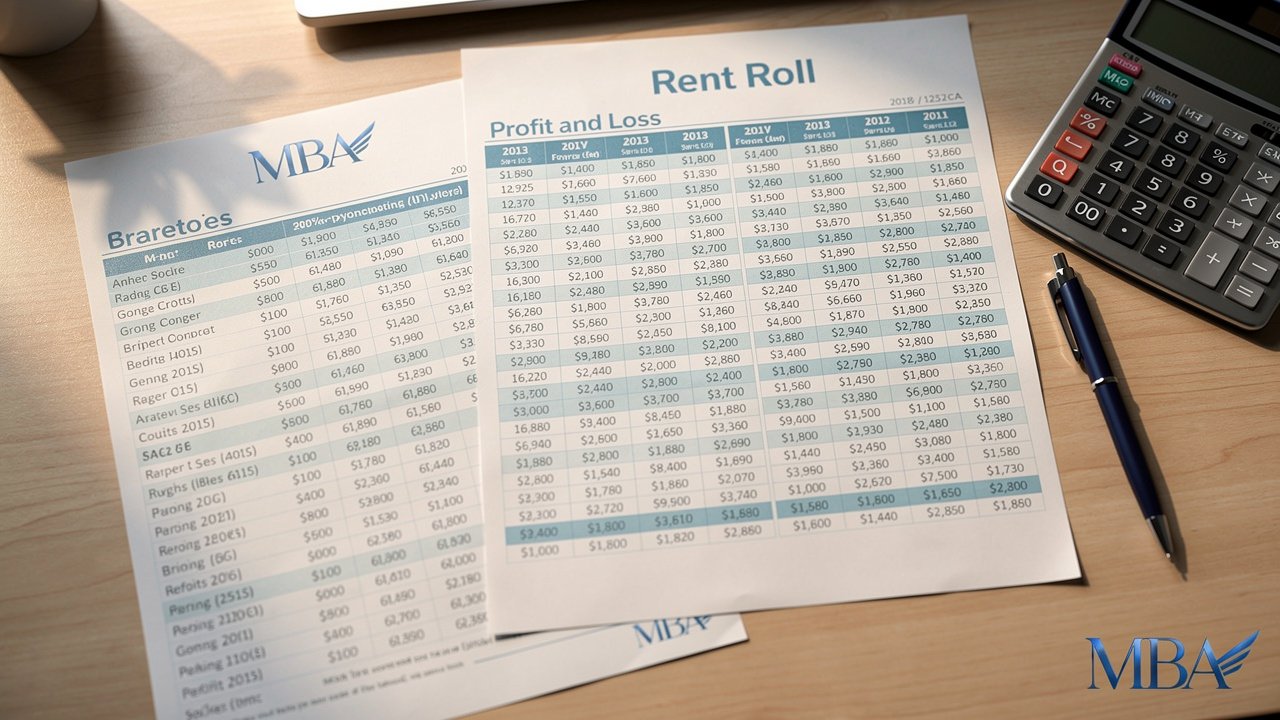
Financial due diligence verifies that the income and expense figures in the seller’s pitch match reality. This starts with comparing the rent roll against actual rent collected over the past several months, since discrepancies here often signal problem tenants or inflated projections. Reviewing three to five years of profit and loss statements reveals whether net operating income has been trending up or down, and whether the operating costs look reasonable for a property of this type.
Beyond the basics, smart investors check property tax history for reassessment risk, since many jurisdictions raise taxes right after a sale closes. Insurance policies and claims history can expose underinsured areas or recurring problems, while capital expenditure records show whether the building has been properly maintained or is overdue for major repairs. Comparing all of this against similar properties in the same submarket confirms whether the asking price actually reflects current market conditions.
Tenant and Lease Due Diligence
Tenant and lease due diligence determines whether the income stream you’re buying will actually hold up over your intended holding period, which aligns with recent research on tenant satisfaction and building performance showing a direct link between occupant experience and leasing outcomes. Lease abstracts reveal expiration dates, renewal options, and rent escalation clauses, letting you anticipate turnover risk well before it happens. Estoppel certificates give you direct written confirmation from each tenant about their lease terms and payment status, which prevents the unpleasant surprise of an undisclosed dispute surfacing after closing. Subordination, Non-Disturbance and Attornment agreements protect tenant rights in case of foreclosure, which matters if you plan to use the property as loan collateral.
Tenant financial strength deserves equal attention, particularly for single-tenant buildings where one bankruptcy could gut the entire income stream. Reviewing credit ratings, payment history, and arrears reports shows whether tenants are financially stable or quietly struggling. It’s also worth confirming exactly how common area maintenance costs get split among tenants, since unfavorable CAM structures can quietly erode returns that looked solid on paper.
Property Condition and Environmental Due Diligence
Property condition and environmental due diligence protects you from inheriting expensive structural problems or legal liability for contamination you didn’t cause. A Property Condition Assessment examines the building’s structural integrity, HVAC, plumbing, and electrical systems, flagging deferred maintenance and estimating repair costs you can factor into your offer, a process covered extensively in industry due diligence handbooks for commercial assets. Building code and ADA compliance checks confirm the property meets current safety standards, since retrofitting an older building to meet accessibility requirements can run into real money fast.
Environmental review carries particularly high stakes because of the Comprehensive Environmental Response, Compensation, and Liability Act, which can hold current owners responsible for contamination even if they didn’t cause it. A Phase I Environmental Site Assessment checks historical property use and identifies potential contamination risks, and a Phase II assessment, involving actual soil or groundwater testing, only happens if Phase I raises specific red flags. Skipping this step on an older industrial or commercial site is one of the costliest mistakes an investor can make.
Market and Location Due Diligence
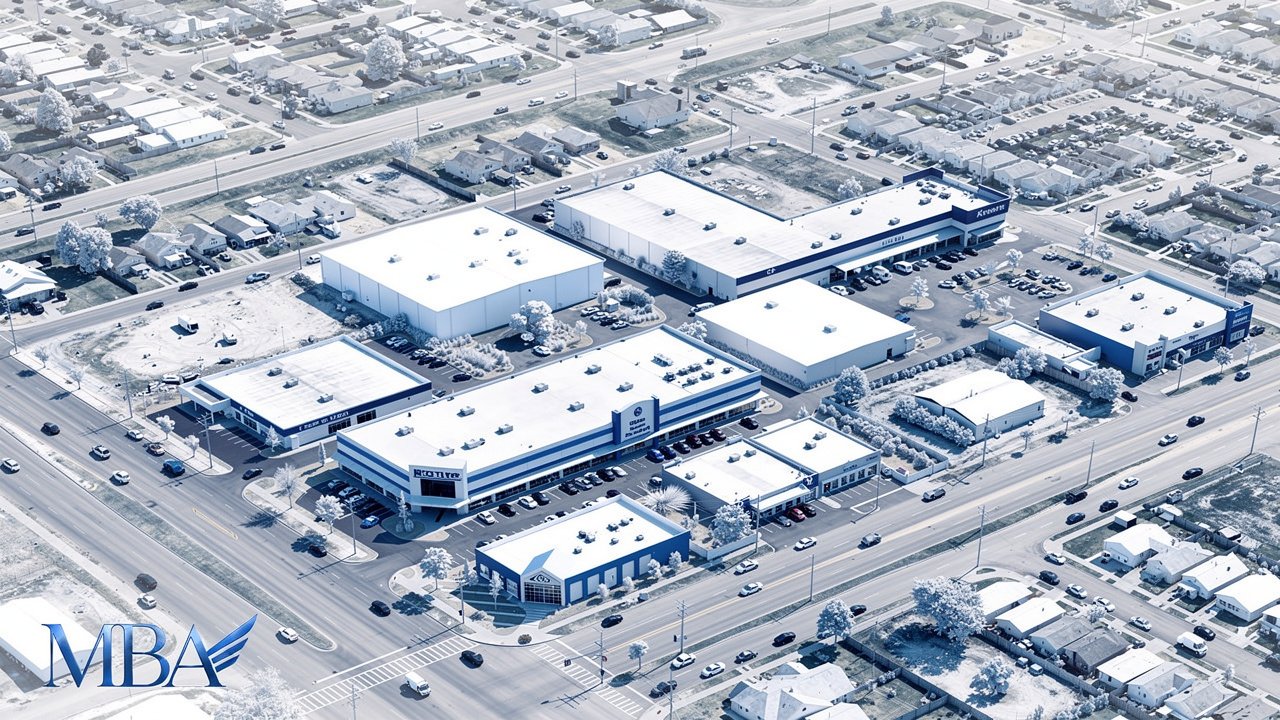
Market and location due diligence looks beyond the property itself to confirm the surrounding area supports long-term value growth rather than decline. Reviewing local rent and sale trends over the past few years, alongside demographic data like population growth and median income, shows whether tenant demand in this submarket is strengthening or softening. Zoning compliance checks confirm the current use is legally permitted, while a look at the area’s development pipeline reveals whether new competing supply could pressure your future rental rates or push vacancy higher than projected.
How Long Does Due Diligence Take, and How Can Investors Reduce Risk Before It Starts?
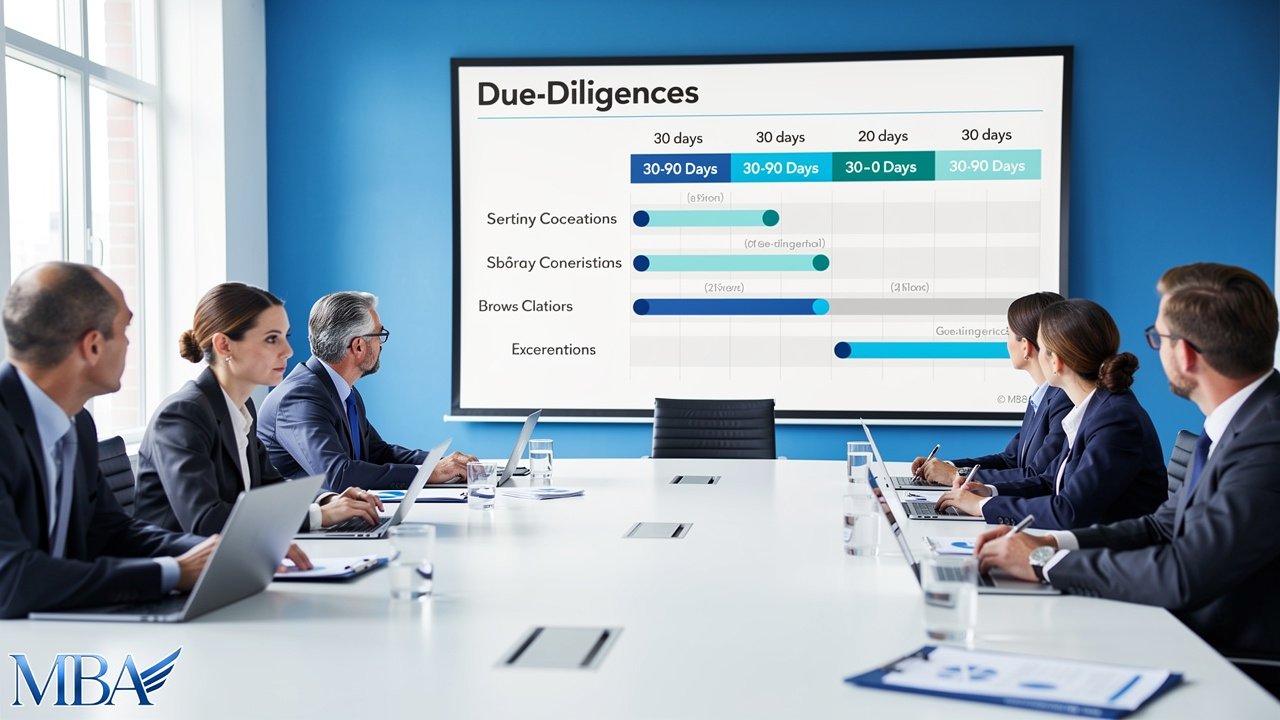
Commercial real estate due diligence typically takes 30 to 90 days, though complex transactions involving multiple tenants, environmental concerns, or unusual zoning can stretch that window to six months. Title searches usually wrap up within one to two weeks, environmental and structural inspections take two to four weeks, and collecting tenant estoppel certificates often takes just as long because tenants respond on their own schedule, not yours.
One of the most practical ways to shorten this entire process is to start with better deal flow in the first place. At Monaco Business Angels, we work with a curated network that screens real estate and infrastructure opportunities, including PropTech ventures, before they ever reach an investor’s desk. This kind of disciplined pre-screening across our international network doesn’t replace formal due diligence, but it does mean fewer red flags surface late in the process, since obviously unsuitable deals get filtered out long before anyone signs a contract.
The Takeaway
Systematic due diligence across legal, financial, tenant, and physical dimensions isn’t a box-checking exercise, it’s the discipline that separates investors who protect their capital from those who learn expensive lessons after closing. Every category covered here, from title searches to environmental assessments, answers a specific question about risk, and skipping any one of them leaves a gap that can turn a promising deal into a costly mistake.
Thorough investigation also puts you in the stronger negotiating seat, armed with documented findings rather than guesswork, and confirms whether the price on the table actually matches the asset’s true condition. For investors who want to start that process with better odds, accessing pre-screened opportunities and cross-border support through a network like Monaco Business Angels can make the entire due diligence process considerably smoother.
Frequently Asked Questions
What documents should I request first when starting due diligence on a commercial property?
Start with the rent roll, the title report, and the most recent two to three years of financial statements. These three documents reveal income reliability, ownership status, and operating performance faster than any other request you can make early on.
Who typically pays for due diligence costs in a commercial real estate deal?
The buyer generally covers third-party inspection, survey, and legal costs during the due diligence period. Sellers occasionally share environmental testing costs, but this varies by negotiation and local market convention.
Can a buyer back out of a deal after due diligence uncovers a problem?
Yes, most purchase agreements include a due diligence contingency allowing termination without penalty within the agreed review window. This protects your earnest money if inspections or financial review reveal serious, undisclosed problems.
What is the difference between Phase I and Phase II environmental assessments?
A Phase I assessment reviews historical records and site conditions to identify potential contamination risks without physical testing. A Phase II assessment involves actual soil or groundwater sampling, and only happens if Phase I findings raise specific concerns.
How much does commercial real estate due diligence typically cost?
Costs vary widely based on property size and complexity, generally covering inspections, surveys, legal review, and environmental reports. Larger or older properties with more tenants and systems to review will naturally cost more to investigate thoroughly.
Should I hire a specialized attorney for commercial due diligence, or can I manage it myself?
Hiring a commercial real estate attorney is well worth it given how complex title, lease, and compliance documents can get. The cost is modest compared to the risk of missing a legal defect that surfaces only after you’ve already closed.