
Demand for computing power has never grown faster, and the facilities behind that power, data centers, are becoming one of the most discussed infrastructure plays among private investors. Every AI model, cloud application, and streaming service runs through server halls that need constant electricity, cooling, and security. For investors watching this boom from the outside, the real question is how to separate a sound opportunity from a risky one in a sector moving this fast.
A data center is a facility built to house servers, storage systems, and networking equipment that organizations use to process and store digital information. This guide walks through the different types of these facilities, the forces pushing capital into the sector, and the resource and policy risks worth a close look before any money moves. I also cover how Monaco Business Angels helps investors reach vetted opportunities across technology and infrastructure, including data centers. By the end, you should have a clear sense of where the opportunity sits and where the caution lights are.
Let’s start with what these facilities actually do and why they have become a priority sector for private capital.
Key Takeaways
Data centers split into hyperscale, colocation, edge, and enterprise categories, each carrying a different investment profile and risk level worth weighing separately.
AI workloads are pushing power demand up by a projected 160% increase in data center power demand by 2030, reshaping growth forecasts and capital needs across the sector, according to Goldman Sachs Research.
Energy supply, water use, and community pushback have become real risks that belong in due diligence, not as an afterthought once capital is already committed.
Verified deal flow and sector expertise matter more than ever in a capital intensive space where costly mistakes are easy to make.
What Are Data Centers and Why Do They Matter Now?
Data centers are physical facilities built to house, manage, and distribute the servers, storage systems, and networking gear that keep digital services running. They supply the controlled environment, power, cooling, and connectivity that computing equipment needs to operate without interruption. From a banking app to an AI chatbot, nearly every digital interaction depends on a server sitting inside one of these buildings somewhere in the world.
Why does this matter more now than it did a few years ago? Investment has accelerated because artificial intelligence, cloud computing, and streaming all depend on facilities like these to function at scale. McKinsey & Company projects the industry will grow at 10% annually through 2030, with global spending on facility construction reaching roughly $49 billion. That pace of growth is why experienced investors and family offices are paying closer attention to this corner of the alternative asset market.
What Are the Main Types of Data Centers?
Facilities in this sector fall into several categories based on scale, ownership, and purpose, and knowing the difference matters for anyone assessing where capital and growth concentrate. Hyperscale campuses dominate the headlines, but colocation, edge, enterprise, and AI specific sites each play a distinct role in the broader computing supply chain. Some categories are shrinking as workloads shift toward the cloud, while others are expanding at a pace few infrastructure sectors can match. Understanding these categories helps investors and founders alike see where the opportunity, and the risk, actually sits.
Hyperscale Data Centers
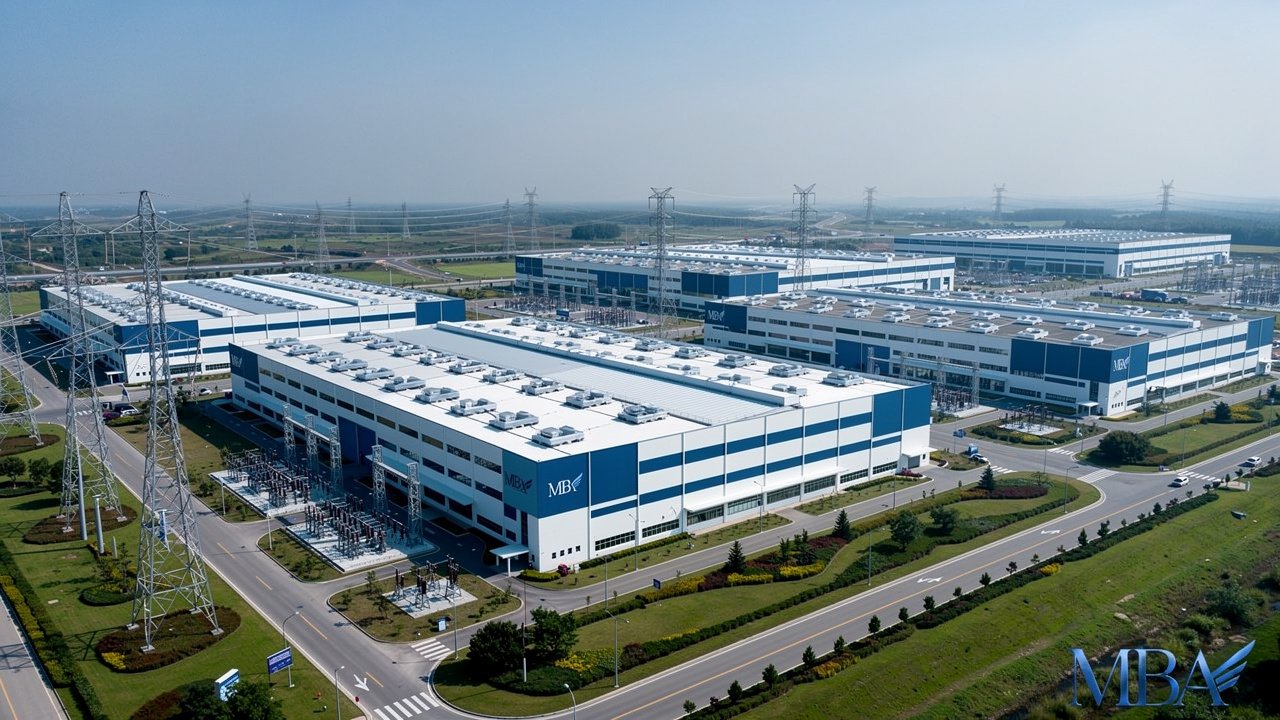
Hyperscale facilities are the giants of the industry, typically exceeding 100 megawatts of power capacity and built to support cloud services and AI training at scale. Amazon Web Services, Microsoft Azure, and Google Cloud together control roughly 59% of global hyperscale capacity. This category made up about 41% of worldwide capacity in 2024 and is projected to reach 60% by 2029.
Colocation Data Centers
Colocation facilities let multiple tenants share power, cooling, and physical space instead of building their own site, which lowers upfront costs and spreads operating expenses across clients. Providers such as Equinix and Digital Realty run colocation campuses across several continents, hosting everything from cloud connections to submarine cable terminals. This model accounted for approximately 22% of worldwide capacity in 2024, making it the second largest category after hyperscale.
Edge and Enterprise Data Centers
Edge facilities are small and decentralized, usually 1 to 10 megawatts, placed near end users to cut network latency for things like 5G networks and connected devices. Enterprise data centers, once the backbone of corporate IT, have shrunk from over 60% of U.S. server energy use in 2014 to roughly 10% by 2023, as workloads moved toward cloud and colocation providers.
AI-Specific Data Centers
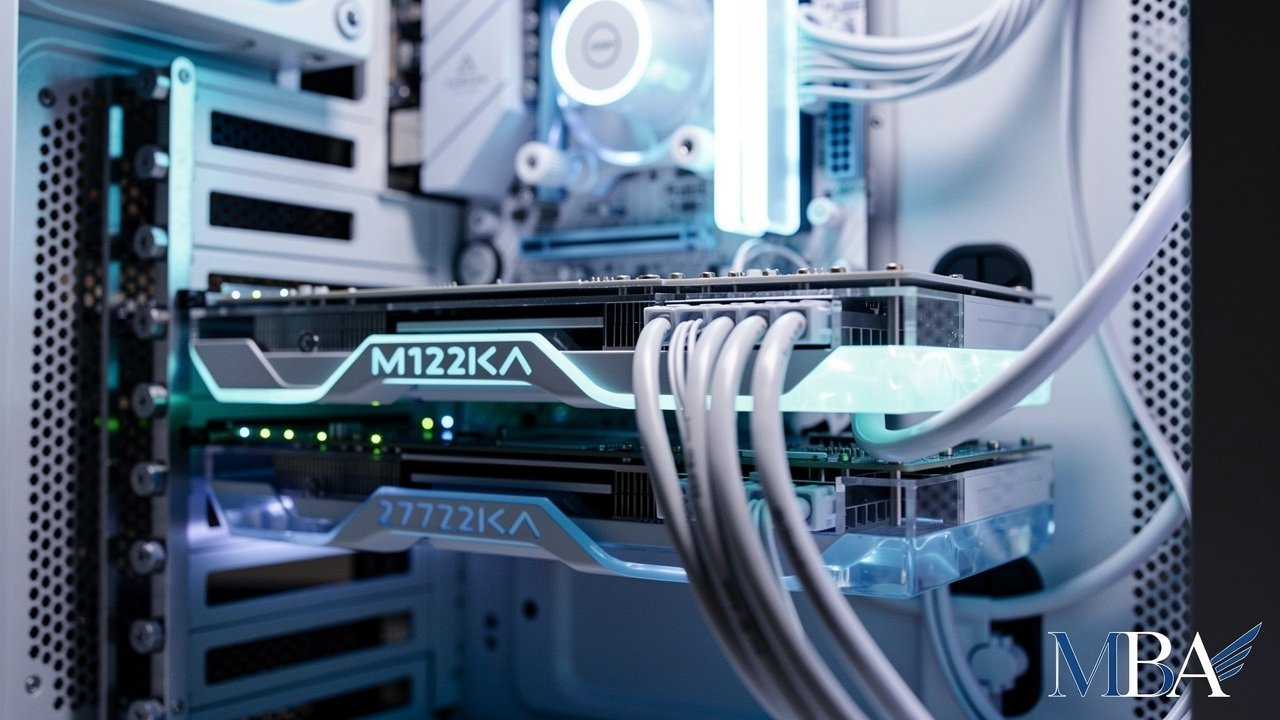
AI focused facilities are purpose built for machine learning, packed with high performance GPUs and TPUs and software defined networking designed to train large models quickly. These campuses are being built faster than any other category, and the largest next generation sites under development are expected to consume roughly 20 times more electricity than a conventional facility. That power appetite is reshaping how operators plan sites and secure energy.
What Is Driving Investment Demand in Data Centers?
Investment demand is rising because artificial intelligence, cloud adoption, and digital transformation are fueling a $7 trillion race to scale compute infrastructure that existing facilities can’t supply alone. McKinsey & Company projects the industry will grow at 10% annually through 2030, with spending on new facility construction reaching close to $49 billion globally. That scale of capital deployment is rare among infrastructure sectors and reflects how central computing power has become to economic growth.
AI workloads are the biggest force behind this surge, since a single ChatGPT query needs nearly 10 times more electricity than a Google search, requiring power hungry chips and specialized cooling that older facilities were never built for. Goldman Sachs Research estimates power demand from data centers will climb 160% by 2030, a figure pushing operators and investors toward new sites, new energy sources, and new financing structures across the sector.
What Risks Should Investors Evaluate Before Committing Capital?
Data centers carry real risks alongside their growth story, and a careful investor looks past the headlines before committing capital. Power availability, rising electricity costs, and local pushback can all delay or derail a project regardless of how strong the underlying demand looks. Add in shifting tax policy and the resource intensity of cooling systems, and the picture becomes more complicated than growth charts alone suggest. None of this rules out the sector, but it does call for careful underwriting before any commitment.
Energy and Water Resource Pressures
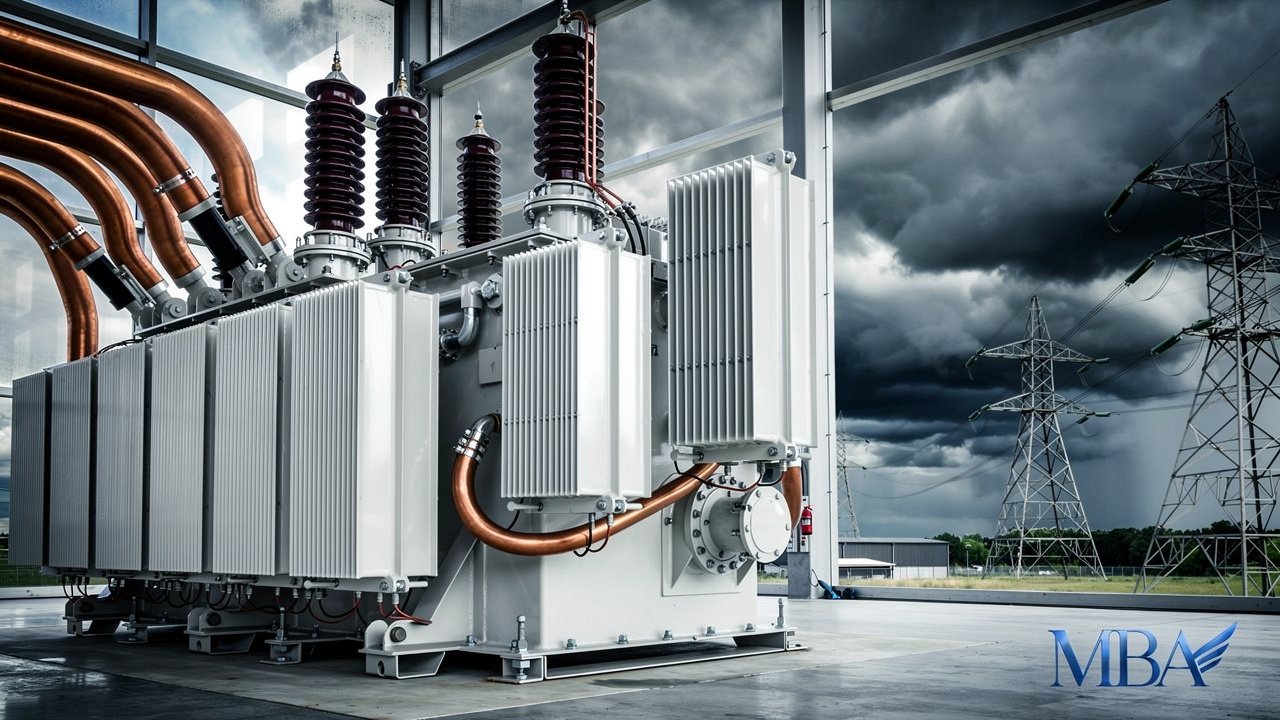
Electricity use from data centers could climb to roughly 945 terawatt hours by 2030, nearly double 2024 levels, according to International Energy Agency estimates. That demand is straining power grids, a challenge detailed in research on integrating data centers with nuclear and utility infrastructure, and is pushing some operators toward natural gas, nuclear, or off grid generation. Water use raises similar concerns, since many facilities sit in water stressed regions, and investors should treat disclosure and local water rights as standard due diligence items.
Community Opposition and Policy Shifts
Local opposition has blocked or delayed more than $64 billion in data center projects across the United States in a single reporting period, according to Data Center Watch research. Tax incentive policy is shifting too, with Virginia’s Senate voting to phase out its sales tax exemption for the sector and Georgia reconsidering similar breaks. These policy swings can change a project’s economics well after capital has already been committed.
How Can Investors Access Data Center Opportunities?

Investors can reach exposure to this sector through several routes:
Direct stakes in colocation operators
Infrastructure funds that finance new builds, cooling technology, or related construction
Clean energy projects that power data center campuses
Co-investment structures that let several investors pool capital behind a single opportunity, spreading risk while still accessing large scale infrastructure deals that would otherwise require far more capital alone
Adjacent sectors such as battery storage and grid technology, which offer exposure to the trend without taking on the full risk of a single facility
Monaco Business Angels connects investors to vetted opportunities across technology and infrastructure, including data centers and the clean energy projects that support them. The network screens deal flow before it reaches members, supports cross border introductions between Monaco, Europe, and other wealth centres, and gives founders in capital intensive sectors access to investors who understand long build timelines. For investors who want curated access rather than open market noise, that screening process matters.
The Takeaway

Data centers sit at the intersection of two forces that are not slowing down, artificial intelligence and the broader shift toward digital infrastructure. The sector offers genuine long-term relevance, but it also demands a careful look at energy supply, water use, community sentiment, and local tax policy before any capital changes hands. Investors who treat these risks as a checklist rather than an afterthought tend to make better decisions in a sector this capital intensive.
If you are an investor or a founder exploring opportunities in data centers, infrastructure, or the clean energy projects that support them, Monaco Business Angels can connect you to curated deal flow and the strategic guidance that comes with it. Reach out to the network to start the conversation.
Frequently Asked Questions
What Is the Difference Between a Data Center and a Server Farm
The term server farm is often used casually to mean the same thing as a data center, though a data center technically includes the full environment around the servers, including power systems, cooling, security, and networking, not just the racks of machines themselves.
How Much Does It Cost to Invest in a Data Center
Owning a facility outright takes tens of millions of dollars in capital. Private investment networks offer a lower entry point through co-investment structures, with some opportunities accessible through the network starting around €10,000, depending on the specific deal and structure involved.
Are Data Centers a Good Investment for High Net Worth Individuals
Data centers can suit investors seeking exposure to AI and digital infrastructure growth, given strong demand projections through 2030. That said, returns depend heavily on site selection, energy costs, and local regulation, so due diligence on those factors matters as much as the growth story itself.
What Countries Are Becoming Major Data Center Hubs Outside the US
Northern Europe, particularly Finland and Sweden, attracts operators with cool climates that reduce cooling costs. Singapore has reopened its market to new facilities under strict green standards, and parts of the Middle East are investing heavily in capacity tied to broader digital strategies.
How Does Monaco Business Angels Vet Data Center Investment Opportunities
Monaco Business Angels applies a disciplined screening process before any opportunity reaches its network, covering due diligence, KYC checks, and an honest assessment of the underlying business and infrastructure plan. Only investment ready opportunities across technology, infrastructure, and related sectors move forward to investors and family offices in the network.
What Role Does Artificial Intelligence Play in Data Center Growth
AI training workloads need specialized, power hungry infrastructure built around high performance chips, which is why most new capacity being built today is designed specifically for AI rather than general computing tasks.