
Finding a trustworthy entry point into European funding can feel like searching for a single door in a very large building. That’s the challenge facing investors and founders when they first look into EU projects, since the funding scene spans dozens of programs, portals, and eligibility rules. This guide walks through what these programs actually are, how the flagship Interreg framework operates, and where private capital fits alongside public money.
This guide covers the scale of EU projects, the tools you need to research them properly, and how Interreg channels funding into cross-border cooperation. It also explains how the EU Funding & Tenders Portal works as a due diligence resource, and why sophisticated investors are starting to pair EU-backed ventures with private co-investment. By the end, you’ll have a clear picture of how Monaco Business Angels fits into this picture for founders and investors alike.
Key Takeaways
EU projects moved 7.5 billion EUR across 5,979 selected initiatives in the 2021-2027 programming cycle, showing serious institutional commitment.
Interreg remains the flagship cross-border cooperation framework, linking businesses, governments, and research bodies across national lines.
The EU Funding & Tenders Portal gives investors and founders a central place to check funding data, deadlines, and project results before committing time or capital.
Many EU-backed ventures need private co-investment to scale, which opens real deal flow for angel investors and family offices.
Monaco Business Angels helps bridge that gap, connecting vetted founders with private capital across Monaco and wider European markets.
What Are EU Projects and Why Do They Matter?
EU projects are structured funding programs run by the European Commission that bring organizations from different countries together to solve shared problems. Rather than handing money to a single company, these programs fund partnerships between businesses, universities, government bodies, and community groups, creating networks that outlast any single grant cycle. That structure matters because it builds in accountability from day one, since every project partner answers to the Commission and to each other.
The scale involved tells you how seriously this system is taken. Across the 2021-2027 programming period, the EU has committed 7.5 billion EUR to 5,979 selected projects, a figure documented in the 2021 summary report on structural funds implementation, a level of resource allocation that few private funding mechanisms can match. For investors weighing where to place trust and capital, that kind of institutional backing acts as a strong signal that the underlying opportunities have already passed a serious filter.
How Does Interreg Drive Cross-Border Cooperation?
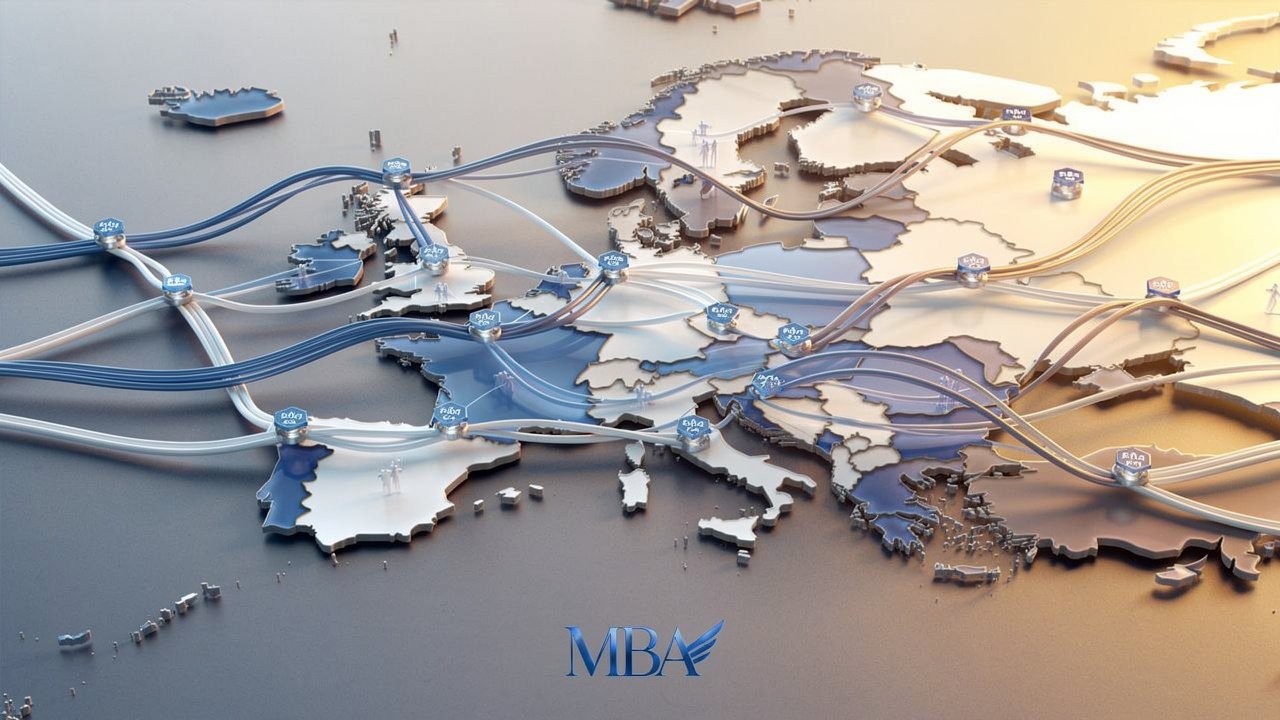
Interreg is the EU’s main program for funding cooperation between organizations on different sides of a national border. It exists to solve problems that no single country can tackle alone, whether that’s a shared river basin, a regional labor market, or a transport gap between two cities. The program pulls in businesses, research institutes, local governments, and civil society groups, then asks them to design joint projects around economic growth, regional cohesion, environmental protection, and sustainable development.
What makes Interreg worth watching isn’t just its funding size, it’s the pattern of practical results it produces:
That kind of connectivity mirrors broader EU transport investment patterns, including a recent push of EU invests record €7 billion in sustainable, safe, and smart transport infrastructure across member states.
Farming groups across several regions have used Interreg funding to adopt climate-resilient growing methods, sharing knowledge that single-country programs rarely support.
Social projects have also funded art workshops and integration support for children displaced by conflict, including Ukrainian refugee families settling in Poland.
Each of these examples shows the same thing: Interreg money reaches real communities, not just spreadsheets.
What Sectors and Objectives Does Interreg Prioritize?

Interreg concentrates its funding on four clear areas: economic growth, regional cohesion, environmental protection, and sustainable development, giving investors a reliable map of where EU attention is focused. These priorities aren’t abstract either, since roughly 70% of committed Interreg funding goes directly to projects rather than administration. That ratio tells you the money is reaching builders and operators on the ground, not disappearing into bureaucratic overhead, which is a meaningful detail for anyone assessing how efficiently public capital gets deployed.
How Can You Access and Research EU Project Opportunities?
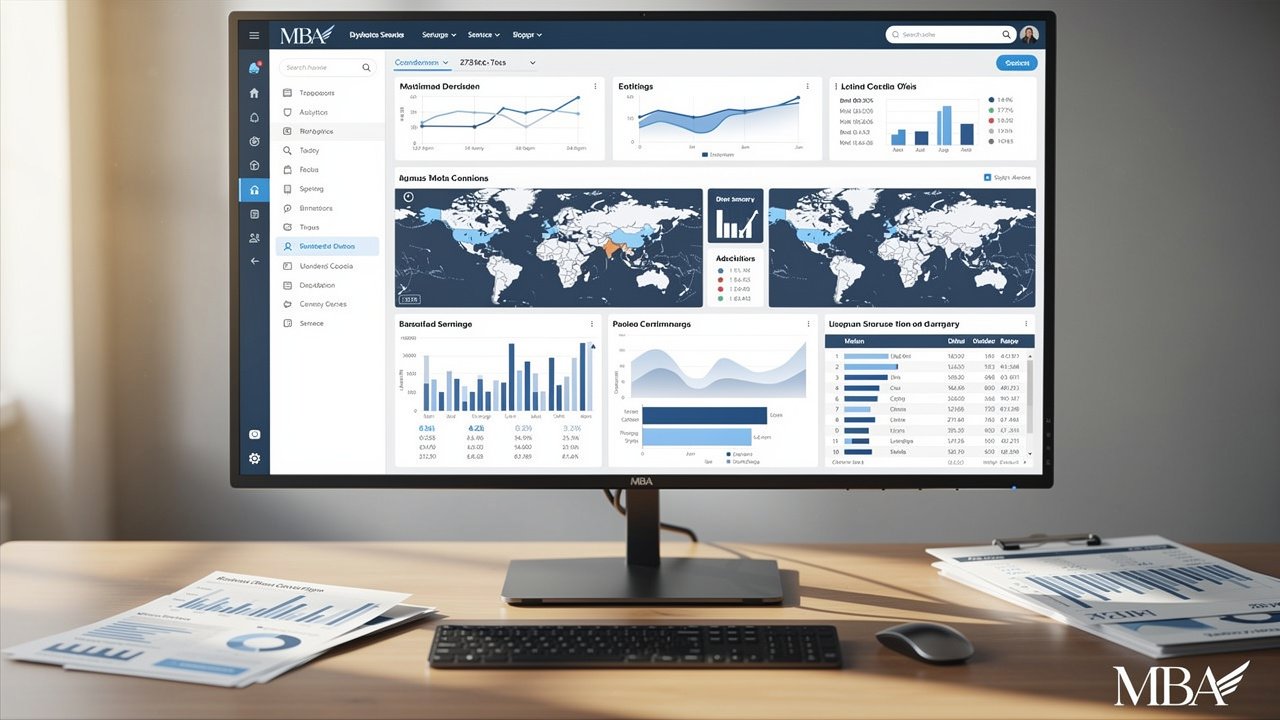
You can research EU project opportunities through the EU Funding & Tenders Portal, the European Commission’s central hub for funding data, deadlines, and project outcomes. This portal consolidates information that used to be scattered across dozens of separate program websites, letting you filter by funding amount, geographic region, sector, and submission deadline in one place.
For Interreg specifically, the program runs its own interactive map, so you can click on a region and see every cross-border partnership operating there. Founders use this tool to spot programs that match their business location or sector, while investors use the same map to understand where EU capital concentrates geographically. If you need direct answers beyond what the portal provides, Interreg’s program administrators can be reached through interregonline@interact.eu, a contact channel built specifically for eligibility and timeline questions. Combining the portal’s broad search function with Interreg’s geographic filters gives you a reasonably complete view of where current opportunities sit.
Why Does the Projects and Results Database Matter for Due Diligence?

The Projects and Results database matters because it lets you check a project’s track record before you ever engage with its organizers. Reviewing completed initiatives shows you typical project sizes, common partner structures, and realistic timelines, which helps you separate well-run programs from ones that struggle to deliver. This level of public transparency is hard to find in private deal sourcing, where claims about past performance often can’t be independently checked. For investors used to verifying everything before committing capital, that difference alone makes the database worth consulting early in any evaluation.
Where Does Private Capital Fit Alongside EU Funding?

Private capital fits alongside EU funding because many EU-backed ventures are required to raise a portion of their budget from non-EU sources, creating built-in co-investment opportunities. Programs frequently operate on cost-sharing terms, meaning a project approved for EU support still needs private equity or debt financing to reach full operating scale, a pattern confirmed by reporting that financial instruments delivered real economic returns across ESIF-backed ventures. That requirement isn’t a weakness, it’s actually an opening for angel investors and family offices who want exposure to pre-screened ventures without doing all the vetting themselves.
Because the European Commission already ran these projects through competitive selection and ongoing monitoring, the due diligence burden on private investors is meaningfully lighter than it would be with an unverified startup pitch. A founder who has secured EU project backing has already proven they can meet reporting standards, hit milestones, and work with multiple stakeholders across borders, qualities that matter just as much as the business idea itself. For investors interested in real estate, clean energy, or deep tech, this combination of public validation and private return potential is becoming a recognized pattern worth tracking.
How Does Monaco Business Angels Complement EU-Backed Opportunities?
Monaco Business Angels complements this picture by adding a second, private layer of verification on top of EU institutional screening. The network applies its own due diligence and KYC processes to founders and opportunities before introducing them to investors, which means capital flowing through the platform has effectively been checked twice: once by European Commission reviewers and once by the network itself.
Operating from the Monaco investment scene with reach across Europe, the UK, Switzerland, and the Middle East, the network connects founders and investors across borders in sectors that closely mirror EU funding priorities, including AI, clean energy, data centres, and real estate, areas also highlighted in recent raw materials research like the FutuRaM project final report on resource recovery. Founders get strategic introductions and mentorship alongside capital, while investors can participate starting from a €10K minimum, making it practical for both early-stage participation and larger capital deployment.
The Takeaway
EU projects give investors and founders a rare combination: a funding mechanism with institutional backing, public transparency, and a genuine need for private capital to complete the picture. Treat the EU Funding & Tenders Portal and Interreg’s map as your first research stop, use the results database to check real track records, and then look at where cost-sharing rules create room for equity or debt participation.
That’s precisely where a network like Monaco Business Angels becomes useful, turning public funding signals into actionable, cross-border deal flow. If you’re an investor looking for verified opportunities or a founder seeking capital and strategic support, connecting with the team is a practical next step toward acting on what you’ve learned here.
Frequently Asked Questions
What Types Of Organizations Are Eligible To Apply For EU Projects?
Eligibility typically covers businesses, research institutions, government bodies, and civil society organizations based in participating countries. Exact criteria vary by program, so you should always confirm specific requirements directly on the EU Funding & Tenders Portal before preparing an application or evaluating a potential partner.
How Long Does It Take To Receive EU Project Funding After Applying?
Timelines vary significantly by program, since each one runs its own competitive evaluation, selection rounds, and administrative processing. Because the current 2021-2027 programming period runs through 2027, new funding calls continue opening regularly, so applicants should expect several months between submission and a funding decision.
Can Non-EU Investors Or Companies Participate In EU-Funded Projects?
Yes, many programs allow partner countries and organizations outside the EU to participate, particularly in cross-border cooperation frameworks like Interreg. The specific partnership rules depend on the program’s geographic scope and funding structure, so checking individual program guidelines is essential before assuming eligibility.
What Is Interreg Cooperation Day And Why Does It Matter?
Interreg Cooperation Day is an annual Europe-wide event where project partners organize local gatherings to showcase funded results to their communities. It matters because it gives investors and founders a direct way to see proven project models, meet project teams, and build networking connections grounded in verified outcomes.